

Back to school is one of the busiest shopping moments of the year, but most FMCG brands treat it as a stationery and uniforms season. It isn’t. When schools open, households reset their whole routine: breakfasts get faster, lunchboxes need filling, study nights get longer, and parents restock the pantry in one go. The brands that plan for that reset win the basket.
For iSiS, a natural and organic food brand trusted in Egyptian homes since 1977, we built a two-week back to school campaign, running from 24 August to 6 September 2026, across Amazon, Talabat and Breadfast. It connected every step, from the offer itself to the moment the customer taps “add to cart.” Here’s how we did it, and how any FMCG brand can apply the same approach.
1. Start With the Shopper’s New Routine
Before touching design or media, we mapped the iSiS range against what families need once school starts:
Breakfast and lunchbox staples: pure honey and extra virgin olive oil
Study and wind-down moments: peppermint and anise herbal teas
Everyday wellness for parents: green tea and matcha
This gave the campaign a clear reason to exist. We weren’t just saying “iSiS is on sale.” We were saying “iSiS fits into the new school routine.”
2. Build an Offer That Grows the Basket
A discount on its own moves one product. A well-built offer moves the whole range. We structured a 20% discount across the hero range and paired it with bundles that grouped products the way families actually shop, so a customer coming in for honey leaves with tea and olive oil too.
We rolled out the same promotions on Amazon, Talabat and Breadfast for the full campaign period, 24 August to 6 September. Consistent pricing, offers and timing across platforms mean shoppers get the same value wherever they prefer to order, and the brand message stays clear.
3. Secure the Right Visibility, Early
Seasonal placements book up fast, and the best spots go to brands that plan ahead. We locked in our assets before the season peaked, choosing the right format for each platform:
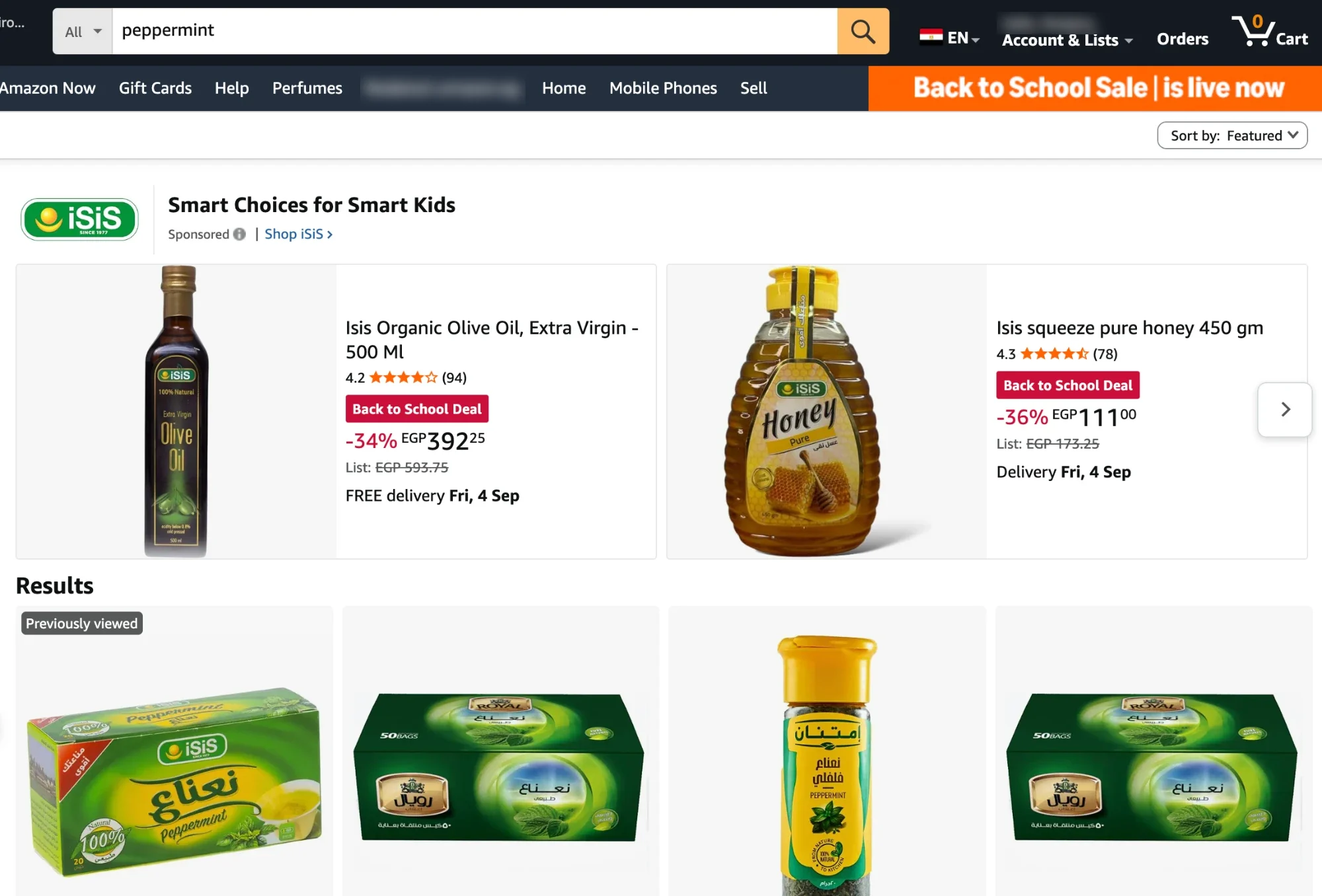
Amazon: Sponsored Brands campaigns to put the iSiS logo, headline and product range at the top of search results, plus Sponsored Products campaigns to push individual items on high-intent searches and competitor product pages
Talabat: promotional placements tied to the 20% offer
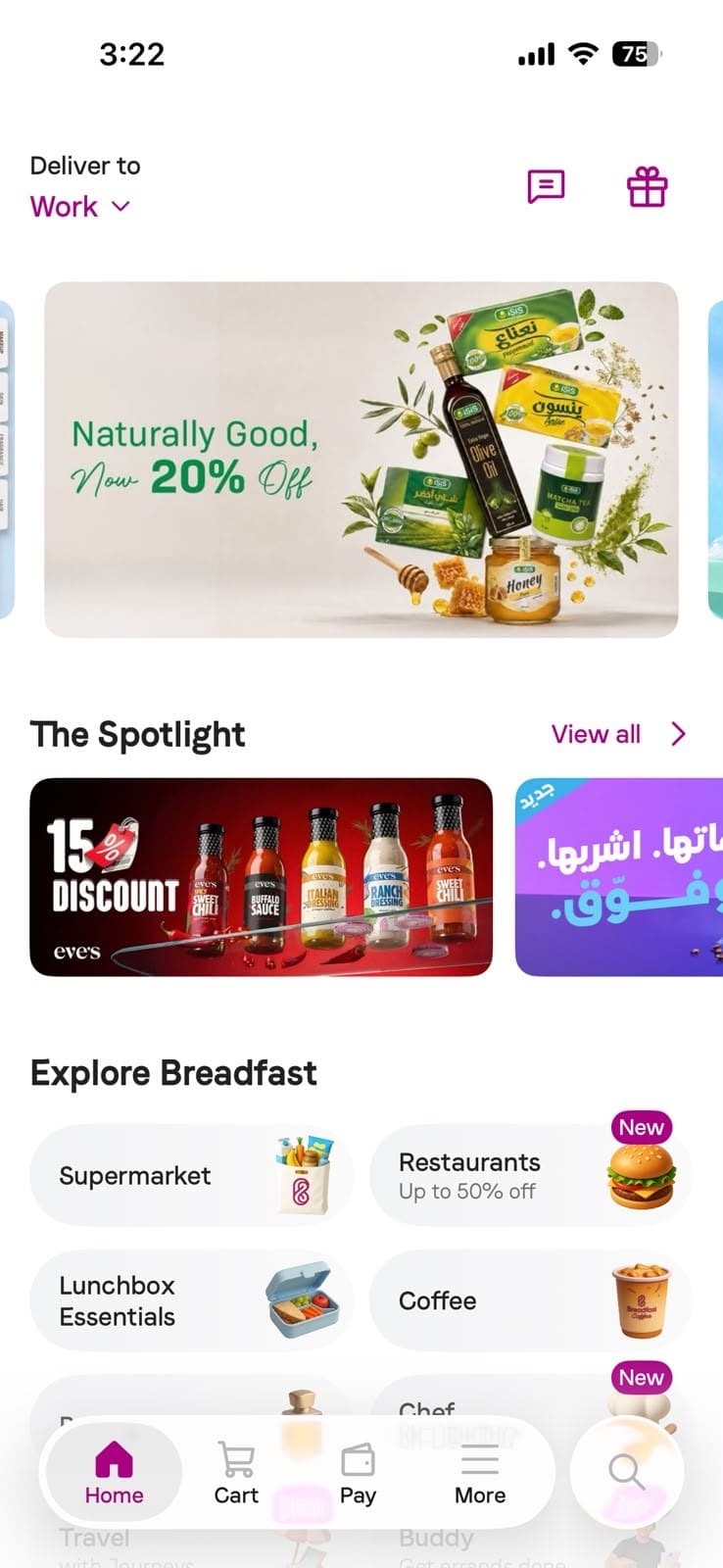
Breadfast: a hero banner on the app’s home screen, the first thing shoppers see when they open the app, sitting right above categories like Supermarket and Lunchbox Essentials
Each platform plays a different role. Amazon captures shoppers who are actively searching and comparing, so sponsored ads make sure iSiS shows up first when they type “honey,” “green tea” or “olive oil.” Talabat and Breadfast capture the quick, routine top-up order, so premium visual placements put iSiS in front of shoppers at the exact moment they plan their cart.
4. Design for Conversion, Not Just for Looks
A banner on a delivery app or a marketplace has about a second to do its job. Every creative decision we made was built around that:
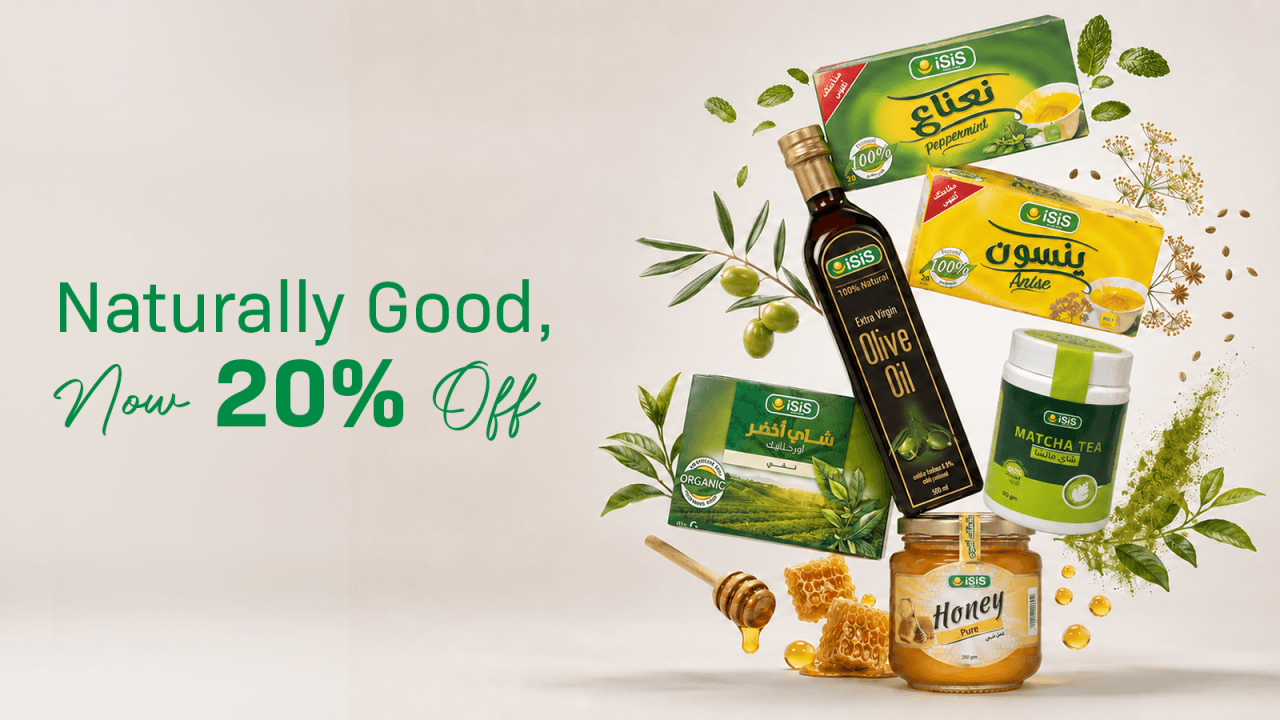
The offer leads. “20% Off” is the largest element on the design, impossible to miss while scrolling.
The products do the talking. The full iSiS range is shown together in one dynamic composition, so shoppers instantly see the variety they can bundle.
The brand world stays consistent. Natural ingredients like mint leaves, olives, honeycomb and anise surround the packs, reinforcing the brand’s natural promise.
The message fits the platform. On Breadfast, a clean English line: “Naturally Good, Now 20% Off.” On social, a bold Arabic headline pointing straight to Talabat. On Amazon, Sponsored Brands creative that carries the same look into search results.
Same campaign, one visual identity, adapted to each placement.
5. Turn Social Media Into a Sales Channel With Deep Links
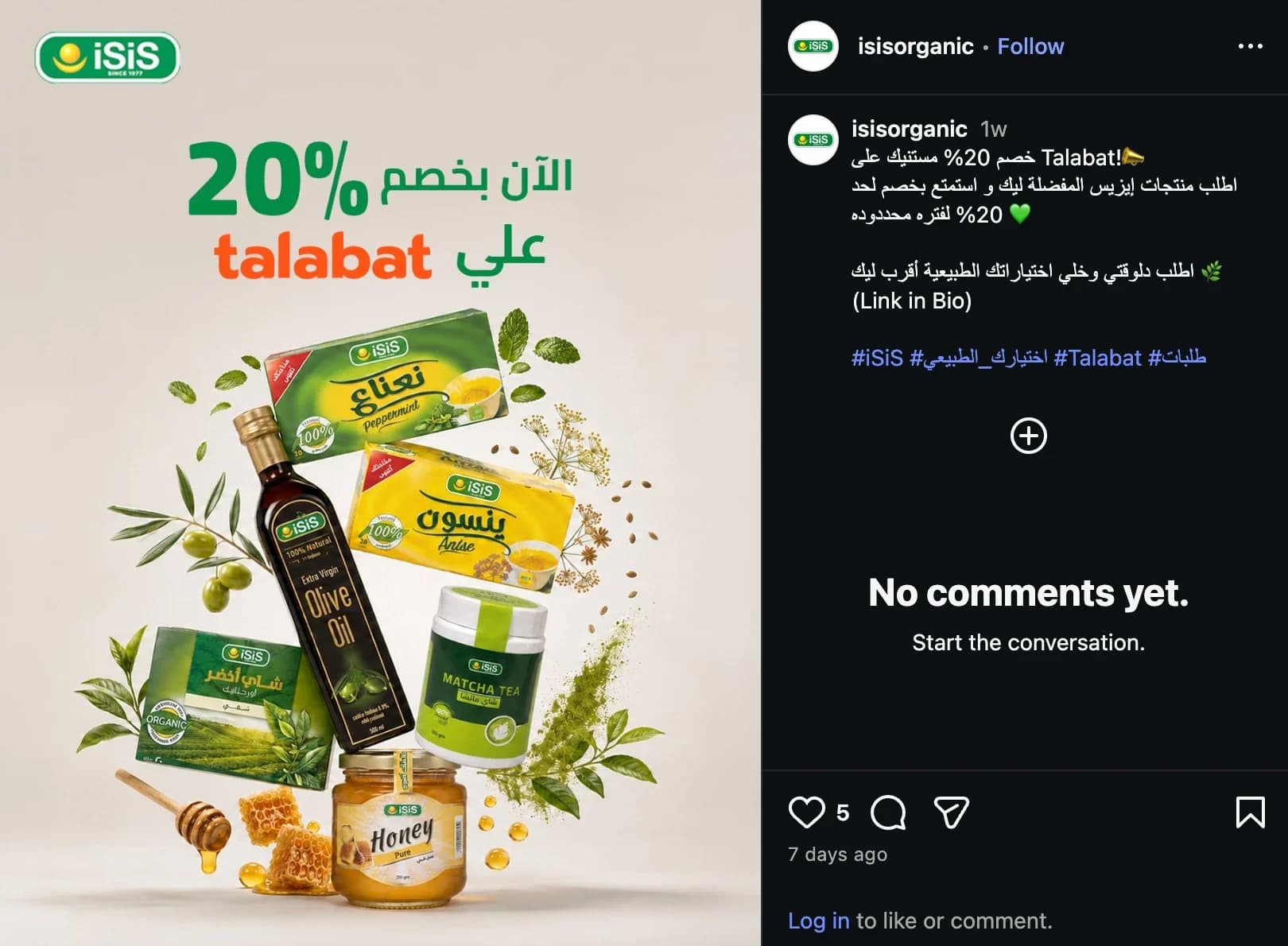
Social awareness is only useful if it leads somewhere. Instead of sending followers to a generic homepage, we created a Talabat deep link that opens the iSiS store directly inside the app. We placed it in iSiS’s Instagram bio and built the post around one clear action: order now on Talabat.
That removes every unnecessary step between “I saw the offer” and “I bought the product.” No searching, no scrolling, no drop-off.
6. Connect Every Touchpoint
What made the campaign work wasn’t any single tactic. It was the way they fed into each other:
The offer gave shoppers a reason to buy now, on every platform.
The bundles grew the basket.
Sponsored Brands and Sponsored Products on Amazon captured high-intent search demand.
The booked placements on Talabat and Breadfast delivered visibility where people do their quick orders.
The creative turned that visibility into clicks.
The deep link turned social attention into Talabat orders.
7. Measure What Matters
For seasonal campaigns, we look beyond total sales. We track basket size, conversion rate from placement to purchase, ad efficiency on Amazon, traffic from the deep link, stock availability through the campaign, and growth compared to the previous period. These numbers tell us what to scale next season and what to refine.
On Amazon, we compared the campaign period (24 August to 6 September) with the two weeks before it (10 to 23 August):
Total sales grew +5.4%, and units sold grew +51.4%
iSiS Pure Honey 250 gm: +383% sales growth
iSiS Natural Chamomile Herbal Tea: +104% sales growth
iSiS Squeeze Pure Honey 450 gm: +86% sales growth
Honey led the way, which is what we expected: it’s the breakfast and lunchbox staple at the heart of the school routine.
The Takeaway
Seasonal moments like back to school reward brands that prepare. The difference between a campaign that gets seen and one that sells is the work done beforehand: planning the offer, booking the right assets on each platform, designing for conversion, and connecting social media directly to the point of purchase.
At Dblshot, this is what we do for FMCG brands every season, across Amazon, Talabat, Breadfast, Noon and beyond. If you want your next seasonal campaign to be planned end to end, from offer strategy to the final tap on “order,” let’s talk.